
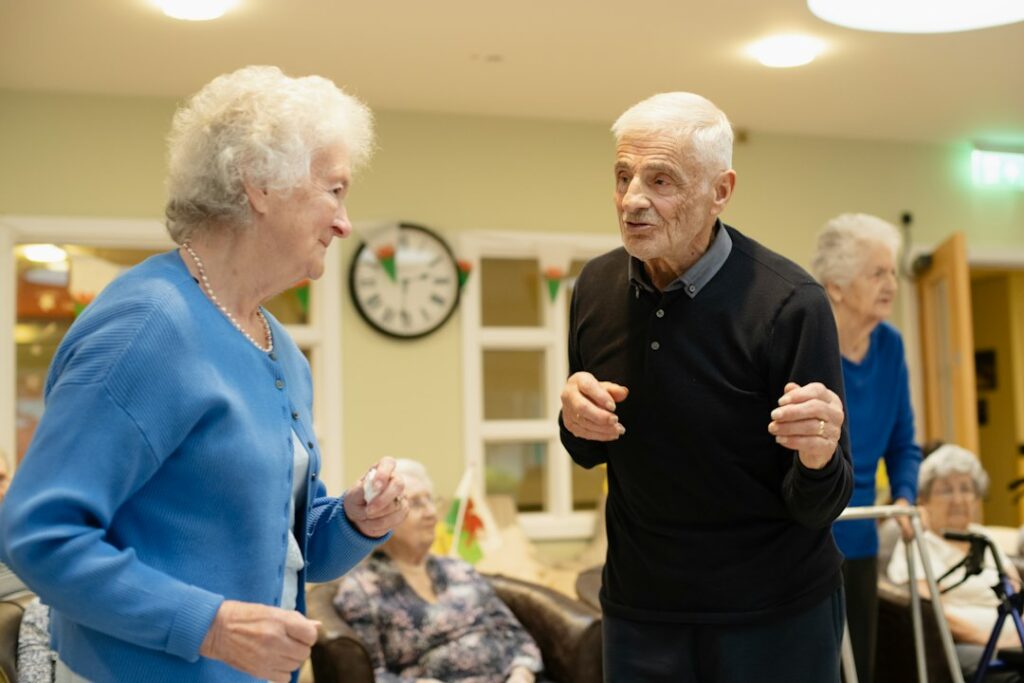
Integrative therapies in assisted living communities are supportive practices used alongside regular medical care. They may help residents manage stress, stay active, sleep more comfortably, maintain social connections, and express personal preferences in daily life.
For residents and families in Skippack, PA, the most useful question is not whether a therapy is labeled “natural.” The better question is whether it is safe, appropriate for the resident’s health needs, and coordinated with the overall care plan.
What are integrative therapies in assisted living?
Integrative therapy combines conventional health care with complementary approaches that address physical, emotional, social, cognitive, and spiritual well-being.
These approaches do not replace prescribed treatment. Instead, they may support comfort and quality of life while a resident continues receiving medication management, physical care, nursing services, rehabilitation, and other needed assistance.
Common examples include:
- Guided relaxation, breathing exercises, and meditation
- Music, art, and reminiscence activities
- Gentle movement, stretching, tai chi, or chair yoga
- Massage or therapeutic touch, when appropriate
- Aromatherapy using carefully selected scents
- Gardening, nature activities, and time outdoors
- Animal-assisted activities
- Mindful eating and individualized nutrition support
- Spiritual care, prayer, or reflective practices based on resident preference
The word “integrative” does not mean every therapy is medically proven for every condition. Evidence varies considerably. Some approaches may help with relaxation, mood, mobility, or engagement, while others have limited research or may not be suitable for certain residents.
How can these therapies help older adults?
Integrative activities often help by making care more personalized and by giving residents additional ways to participate in their own well-being.
Music may help a person feel calmer, remember meaningful experiences, or connect with others even when speech or memory is limited. Gentle movement can support flexibility, balance awareness, and confidence with daily activity. Guided breathing may help reduce tension before sleep or during a stressful moment.
Creative activities can also provide a sense of purpose. Painting, arranging flowers, folding fabric, cooking familiar recipes, or caring for indoor plants may support hand use, decision-making, and identity.
Benefits are usually practical rather than dramatic. A resident may become more willing to participate in activities, sleep more consistently, eat with greater interest, or feel less isolated. These changes should be observed over time rather than assumed after one session.
Which therapies are commonly appropriate in an assisted living setting?
The safest options are usually low-risk, adaptable, and easy to include in a resident’s normal routine.
For example, a movement activity can be performed while seated for someone with weakness or balance concerns. A music session can use familiar songs rather than demanding performance. A relaxation exercise can last five minutes instead of requiring a long class.
Activities may be adapted for residents living with dementia, hearing or vision loss, arthritis, stroke-related limitations, or chronic fatigue. A person who cannot follow verbal instructions may still respond to rhythm, familiar scents, tactile materials, or visual cues.
Outdoor activities can also be meaningful in this area. Seasonal changes, cold temperatures, summer heat, and wet weather affect how and when residents spend time outside. Indoor gardening, window-side plants, nature recordings, and safe supervised walks can provide alternatives when outdoor conditions are uncomfortable.
Are supplements and herbal products part of integrative care?
They can be, but supplements require more caution than many residents realize. Herbal products and vitamins may interact with prescription medicines, affect blood pressure or blood sugar, increase bleeding risk, or cause side effects.
A product being sold as “natural” does not guarantee that it is harmless. Supplements may also vary in strength and quality. Residents should not begin, stop, or change an herbal product without discussing it with the prescribing clinician and the assisted living medication team.
Pennsylvania assisted living regulations address medication management and resident care planning. In practice, this means a resident’s medication list, self-administration ability, and support needs must be considered before adding any product that could affect health or treatment.
How should families evaluate an integrative therapy?
Families can begin by asking what the activity is intended to do and how the community will determine whether it is helping.

Useful questions include:
- Is the therapy recreational, supportive, or intended to address a specific symptom?
- Who leads the activity, and what training or supervision is involved?
- Can the activity be modified for mobility, memory, hearing, or vision needs?
- Are allergies, skin conditions, swallowing risks, fall risks, or medication interactions considered?
- How is consent handled if a resident has cognitive impairment?
- What happens if the resident becomes tired, uncomfortable, anxious, or overstimulated?
- Is participation voluntary?
- Will the activity be documented in the resident’s care plan when appropriate?
A resident should be able to decline an activity without pressure. Preferences may also change from day to day depending on pain, fatigue, mood, sleep, or medication effects.
What safety concerns deserve special attention?
Safety depends on the specific therapy and the individual resident.
Massage may need to be avoided or modified for certain skin conditions, fractures, circulation problems, or areas affected by medical devices. Essential oils can irritate the skin or lungs and may be unsuitable for residents with asthma, allergies, or scent sensitivity. Animal-assisted activities require attention to fear, infection control, allergies, and safe handling.
Movement programs should account for falls, osteoporosis, joint limitations, dizziness, and the use of walkers or wheelchairs. Residents with swallowing concerns may need special precautions during food-based activities. Spiritual or reflective activities should respect the resident’s beliefs and should never be presented as a substitute for medical care.
Any unexpected symptom, such as chest pain, severe shortness of breath, fainting, new confusion, or sudden weakness, calls for prompt medical attention rather than an integrative activity.
How can integrative therapies fit into a resident’s care plan?
The most effective programs are connected to the resident’s goals. A care plan might identify interests such as listening to big-band music, walking in a garden, participating in faith-based reflection, or using breathing exercises before bedtime.
Staff can then observe whether the activity supports a meaningful outcome, such as improved participation, reduced agitation, greater comfort during personal care, or more regular sleep. The goal is not to force improvement but to learn what helps that particular person.
Families can contribute valuable information about lifelong hobbies, cultural traditions, preferred music, food customs, and activities the resident has always found calming. These details often make an activity more personal and more successful.
Integrative therapy works best as one part of a balanced approach that includes appropriate medical treatment, nutritious meals, movement, social contact, rest, and respect for individual choice. For residents in Skippack, the surrounding seasonal rhythm and community-oriented lifestyle can provide many natural opportunities for meaningful, flexible wellness activities without treating every activity as a medical procedure.
