
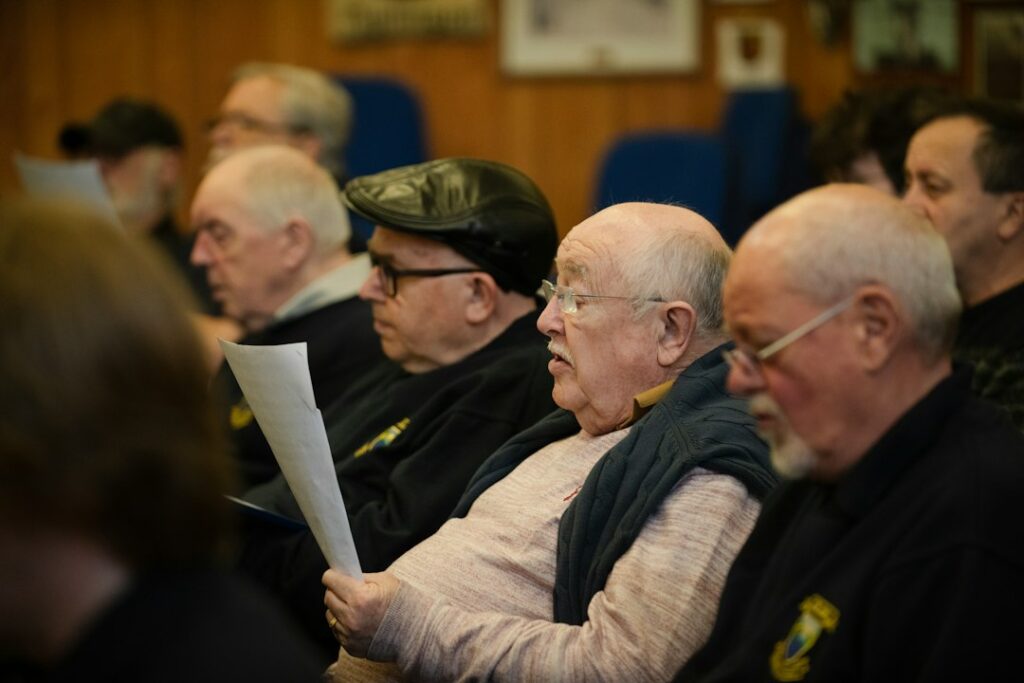
Why do family members attend assisted living events?
Family members attend assisted living events to maintain connection, learn more about daily life, and support a resident’s sense of belonging. These events can include holiday gatherings, music programs, exercise classes, discussion groups, art activities, religious observances, outdoor programs, resident meetings, and informal social hours.
Participation does not need to be constant or highly involved. A short visit, a shared cup of coffee, or help preparing for an activity may be meaningful. The most useful approach is to match involvement with the resident’s preferences, energy level, health needs, and comfort with social settings.
In Pennsylvania, assisted living residences are expected to offer daily activities that encourage involvement with other residents, family members, and the broader community. Residents should also have an opportunity to participate in developing the activity calendar.
How should a family member choose the right event?
Start with the resident rather than the event schedule. Ask what sounds enjoyable, familiar, or manageable. A large holiday gathering may appeal to one person but feel tiring or overwhelming to another.
Useful questions include:
- Does the resident prefer quiet activities or larger groups?
- Is the event connected to a personal interest, faith tradition, hobby, or past routine?
- Will the activity take place indoors or outdoors?
- How long is the program expected to last?
- Will transportation, stairs, weather, or walking distance create difficulties?
- Is the resident more comfortable attending with one family member than with a larger group?
Seasonal planning can matter in Skippack, PA. Winter weather, summer heat, and changing daylight may affect travel and energy levels. During colder months, allow extra time for safe travel and avoid assuming that a resident will want to remain outside for long periods. In warmer weather, ask whether shaded seating, water, cooling areas, and rest periods are available.
What should family members do before attending?
A little preparation can prevent confusion and reduce stress. Review the event details in advance, including the location, start time, expected length, dress requirements, and whether food will be served.
It may also help to ask staff:
- Is advance registration required?
- May family members join the activity, or are they attending as guests?
- Is there a limit on the number of visitors?
- Are there infection-control, dietary, or safety rules?
- Can the resident leave the activity early if needed?
- Is photography permitted?
- Are children or pets allowed at the event?
- Is the activity appropriate for residents with memory loss or mobility limitations?
Family members should avoid bringing food, decorations, equipment, or gifts without checking first. Dietary restrictions, allergies, swallowing concerns, and residence policies may affect what is appropriate.
If the resident has dementia or another cognitive condition, explain the plan simply and close to the event time. A brief reminder such as “We are going to a music program after lunch” may work better than discussing a detailed schedule several days in advance.
How can a family member participate without taking over?
The most supportive role is usually collaborative rather than directive. Family members can join the activity, follow the resident’s lead, and allow staff to manage care-related responsibilities.
During an event, a family member might:
- Sit beside the resident and help with conversation.
- Read instructions aloud when requested.
- Encourage participation without pressuring the resident.
- Help the resident locate supplies, seating, or refreshments.
- Introduce the resident to another participant.
- Leave quietly if the resident becomes tired or uncomfortable.
- Share a familiar song, story, recipe, photograph, or craft idea.

It is not necessary to make the resident perform, socialize continuously, or appear cheerful. Some residents prefer to observe. Watching a program from the edge of the room can still be meaningful participation.
Family members should also respect the privacy of other residents. Avoid asking personal questions, discussing medical conditions in public, or taking photographs that include others without permission.
What if the resident refuses to attend?
Refusal does not always mean that the resident dislikes the activity. The person may be tired, anxious, confused about the plan, uncomfortable with the setting, or concerned about appearance or mobility.
Try to understand the reason without arguing. A family member might ask, “Would you rather sit near the door?” or “Would you like to stay for just ten minutes?” Offering two simple choices can be more effective than repeated persuasion.
If the resident still declines, accept the decision unless there is a serious safety concern. The goal is connection, not attendance at every program. A quieter alternative may be better, such as visiting in the resident’s room, looking through family photographs, listening to music, or taking a short walk when conditions allow.
Repeated refusal may be worth discussing with the resident’s care team, particularly if it represents a sudden change from previous behavior. Changes in pain, mood, hearing, vision, sleep, medication effects, or illness can affect participation.
How can family members contribute ideas for future events?
Family members can provide useful suggestions by sharing information about the resident’s history and interests. Staff may not know that a resident once enjoyed gardening, woodworking, local history, dancing, card games, poetry, or preparing traditional family foods.
Suggestions are most helpful when they are specific and realistic. Instead of requesting “more activities,” a family member might suggest:
- A small-group conversation about seasonal traditions.
- A familiar music program with songs from the resident’s generation.
- A simple cooking demonstration that does not require residents to use appliances.
- A family storytelling afternoon.
- A seated gardening activity using herbs or flowers.
- A display of resident artwork, photographs, or handmade objects.
Residents should remain at the center of planning. Family ideas are assistance, not a substitute for asking residents what they want.
How should family members handle accessibility and safety?
Ask about accessibility before the event rather than waiting for a problem to arise. Consider seating height, wheelchair space, lighting, noise, restroom access, floor surfaces, and the distance from the resident’s room.
A family member should not independently transfer, lift, or physically move a resident unless trained and authorized to do so. If the resident needs help with transfers, mobility equipment, medication, toileting, or medical care, staff should handle those tasks according to the residence’s procedures.
Safety also includes emotional comfort. Crowded rooms, loud music, unfamiliar visitors, and rapid changes in routine may be difficult for some residents. A quieter seat, a shorter visit, or a familiar companion can make participation more successful.
What if an event does not go well?
An unsuccessful event is useful information. The resident may have needed a different time of day, a smaller group, more preparation, better seating, or a shorter visit.
Afterward, discuss what felt comfortable and what did not. Share practical observations with the appropriate staff member, such as signs of fatigue, confusion, pain, frustration, or enjoyment. Keep the conversation factual and focused on the resident’s preferences.
Family participation works best as an ongoing adjustment rather than a single decision. Some days call for a lively group activity; other days call for a quiet visit. Respectful involvement gives residents more opportunities to remain connected while preserving choice, dignity, and independence.
