
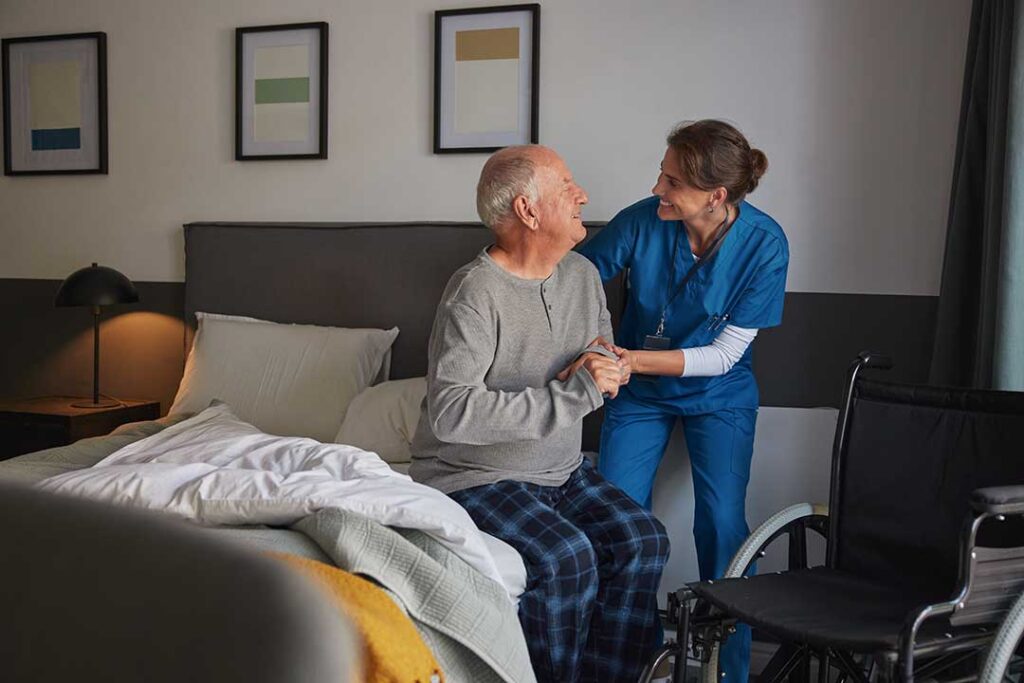
What Does "Level of Care" Mean in Assisted Living?
The level of care in assisted living refers to how much help someone needs with their daily life and health routines. It includes support with tasks like bathing, dressing, eating, and medication management, as well as supervision for safety or memory-related concerns. Choices range from minimal assistance to more comprehensive support.
Local residents often find that the right fit depends not just on health needs, but also on lifestyle preferences and expectations for independence. In Skippack, evaluating these factors can ensure both safety and quality of life.
How Do I Know Which Level of Care Is Needed?
The right level depends on both current needs and likely changes over time. Most residents start by evaluating these:
- Ability to complete daily tasks (like bathing, dressing, and using the bathroom)
- Safety and fall risk, especially with local weather (icy winters in Skippack can increase risk)
- Memory and cognitive health, which can affect things like wandering or medication routines
- Chronic health conditions that may require regular monitoring
Families often find it useful to observe a loved one over a few weeks and notice which activities require support. For example, someone recovering from surgery may need only temporary help, while others with progressive conditions may need more sustained care.
What Questions Should Be Asked When Considering Care Needs?
Start by answering a few direct questions:
- Does the individual need reminders or physical help with medications?
- Are there recent incidents—like falls, burns, or medication errors?
- Is meal preparation or grocery shopping getting more difficult?
- Do they forget appointments or basic routines?
- Are they managing household tasks, or is laundry, cleaning, or home repairs neglected?
- How much social connection is available, and is isolation becoming an issue?
In Skippack, weather can influence some needs; for example, seniors who once loved regular walks or weekly errands may become more isolated in winter months, increasing the importance of on-site social activities and transportation options.
Levels of Support Explained
Assisted living in this community generally recognizes several common levels of care:
- Basic Support – Ideal for those who are mostly independent but need a little help with one or two daily activities, such as bathing or occasional reminders to take medication.
- Moderate Support – For those needing daily or near-daily help, like regular assistance with dressing, hygiene, mobility, or meals.
- Enhanced or Specialized Care – For individuals with complex medical conditions, significant memory changes, or those who need two-person assistance for mobility and transfers.
Not every resident fits perfectly into one category; care plans are usually tailored to individual requirements.
What Are Common Misconceptions About Care Levels?
A frequent misunderstanding is that accepting more support means giving up all independence. In reality, well-matched care is meant to help preserve personal choice and dignity, not reduce it. For example, someone may only need assistance with bathing twice a week, but want to cook for themselves the rest of the time.
Another misconception is believing that current needs will stay the same. Health and abilities can change with seasons, as winter weather in the area sometimes leads to new mobility or safety challenges.

How Can Families Approach the Conversation?
Talking about support can be sensitive. Residents or their loved ones often worry about losing autonomy or disrupting familiar routines. It helps to:
- Focus on personal goals (staying active, being social, making daily life easier)
- Use specific examples from daily life rather than hypothetical scenarios
- Involve the person needing care in decision-making, respecting their preferences
Debugging smaller challenges early—such as difficulty with stairs, or confusion managing medications—can prevent larger emergencies later on.
What Overlooked Factors Matter in Skippack, PA?
Homes in Skippack often feature seasonal challenges, such as steep driveways, snow and ice, or multi-level layouts. Considering how these affect mobility and safety is practical—some residents find that even small increases in assistance during the winter months make a big difference.
Accessibility of local health resources is another potential consideration. While the city has various transportation options and healthcare access, not all individuals find it easy to attend appointments or community events, especially without reliable rides or support.
Social well-being is also important. Local clubs, hobby groups, or gardening can play a positive role—so choosing a care level that allows participation in preferred activities contributes to emotional and cognitive health.
Can Care Needs Change Over Time?
Yes, and this is common. What works well in the fall may need adjustment by the spring, particularly for those who are managing chronic conditions or recovering from illness or injury. Ongoing observation and open communication help ensure care remains appropriate as circumstances shift.
Most assisted living settings offer routine reassessments. It is helpful for local families to check in, especially if there are changes in health, new medications, or major life events.
How Are Personal Preferences Considered?
Individual priorities matter as much as clinical needs. Some residents value privacy or independence when it comes to meals or social activities. Others seek daily company, structured activity, or specific cultural or dietary accommodations.
Area residents often appreciate settings that allow for customization, such as choosing between group dining and in-room meals, or participating in seasonal festivals and activities occurring in the community.
What Should Residents and Families Expect Next?
After clarifying care needs and personal priorities, the next steps usually involve gathering documentation, undergoing an assessment, and reviewing available options. It helps to remain flexible. Most importantly, remember that the right level of support is the one that allows continued comfort, dignity, and engagement in local life.
