
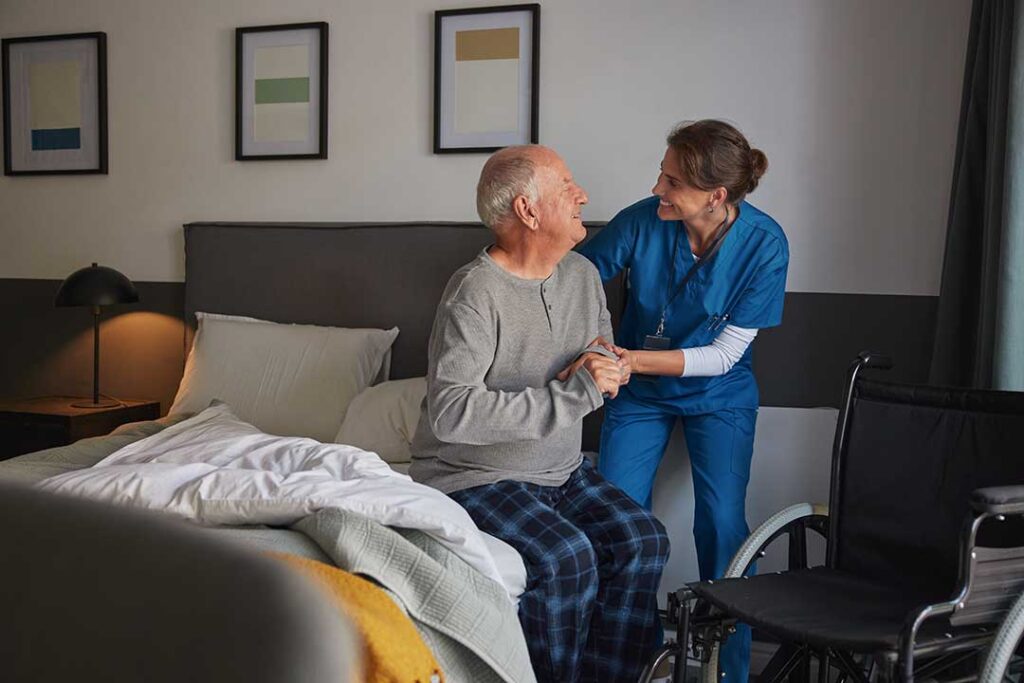
Living in an assisted living community brings many benefits, especially in a friendly and close-knit area like Skippack, Pennsylvania. Skippack’s rich culture, neighborly spirit, and picturesque surroundings create an ideal backdrop for seniors who enjoy both comfort and community. Yet, just like in any group living environment, conflicts may arise. Whether it’s a disagreement between residents, concerns involving families, or issues with staff, learning how to handle conflicts respectfully and effectively is crucial to maintaining a positive senior living experience. In this article, we’ll share concrete, proven strategies for managing conflict in assisted living environments, with a special focus on solutions that reflect Skippack’s unique lifestyle.
Understanding the Roots of Conflict in Assisted Living
Conflicts can be triggered by a variety of factors, including different personalities, cultural backgrounds, or misunderstandings about routines and personal preferences. In Skippack, where many residents cherish their independence while enjoying a communal lifestyle, it’s not uncommon for individual habits (like noise levels, shared spaces, or activity preferences) to occasionally clash.
Common sources of conflict in assisted living include:
- Differences in daily routines or activity choices
- Disagreements over shared spaces (lounges, dining rooms, gardens)
- Miscommunication or lack of clear information
- Family involvement or differing expectations between residents and loved ones
- Staff or caregiver misunderstandings
Why Effective Conflict Resolution Matters
Skippack is known for its vibrant events and weekly markets that bring everyone together. Maintaining a harmonious environment in assisted living ensures that all residents can comfortably participate in these local traditions and feel truly at home. Effective conflict resolution leads to:
- Higher resident satisfaction and engagement
- Improved relationships between residents, families, and staff
- Enhanced emotional and psychological well-being
- Reduced stress and greater sense of community belonging
Practical Steps for Handling Conflict in Assisted Living
1. Promote Open Communication
The quaint charm of Skippack encourages neighbors to greet each other and share stories over lunch at a local bistro. Similarly, open communication is the first step to resolving disputes in assisted living settings. Encourage all parties to express their concerns respectfully, listen actively, and acknowledge each other's feelings.
- Set aside time for open forums or “community hours” where residents can discuss issues
- Use neutral mediators—staff or counselors—if needed
- Practice active listening by reflecting back what’s heard before responding
2. Foster Empathy and Respect
Many residents in Skippack have deep roots in the area and value relationships built on mutual understanding. Staff and caregivers can reinforce this culture by encouraging empathy and patience among residents.
- Encourage residents to learn about each other’s backgrounds
- Celebrate diverse traditions and preferences through community events
- Remind everyone to respect each other’s personal space and belongings
3. Establish Clear Policies and Expectations
When everyone knows the “house rules,” misunderstandings are less likely to occur. Skippack’s community guidelines for public spaces, parks, and businesses serve as a strong parallel for creating expectations in assisted living facilities.
- Develop clear guidelines on noise, visitor hours, and shared area use
- Communicate policies during orientation and remind residents regularly
- Apply rules consistently while allowing for flexibility where possible
4. Involve Family Members Thoughtfully
Families are often very involved in the lives of Skippack seniors, attending local parades or supporting community fundraisers. Still, well-intended involvement can sometimes create tension. If disagreements arise, involve families as partners, not as adversaries.
- Keep families informed about care plans and community updates
- Facilitate regular family meetings for feedback and problem-solving
- Balance family input with resident autonomy and wishes
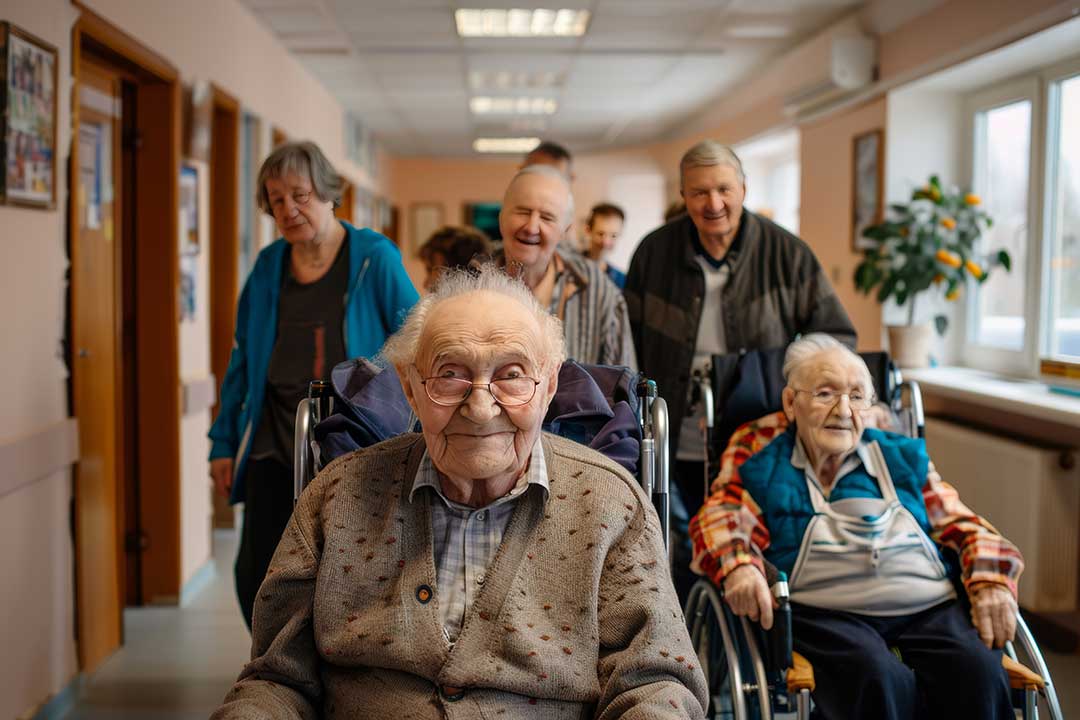
5. Address Issues Promptly and Privately
A small town like Skippack values privacy and dignity; letting conflicts linger or addressing them too publicly can cause embarrassment or resentment. As soon as concerns are raised, address them directly and confidentially.
- Arrange private meetings for sensitive discussions
- Avoid gossip or involving uninvolved parties
- Document conflicts and resolutions to track patterns and improvements
6. Leverage Local Skippack Resources
Many local organizations in Skippack offer mediation services or senior support networks. Assisted living facilities can partner with these resources for workshops or external mediation.
- Connect with local counseling centers for conflict resolution training
- Invite community leaders to speak about cooperation and unity
- Use Skippack’s vibrant community events as opportunities for residents to bond
Building a Stronger Community Through Conflict Resolution
Embracing Skippack’s sense of neighborliness and mutual respect creates a foundation for effective conflict management in assisted living. By being proactive, inclusive, and compassionate, residents, families, and staff can work together to resolve differences while fostering warm relationships.
Encourage everyone to:
- Approach disagreements with an open mind
- Seek help from staff or professionals when needed
- Remember shared goals—safety, comfort, and a sense of belonging
Assisted living in Skippack is about more than just care; it’s about creating a home where every resident can thrive, build friendships, and enjoy everything the community has to offer.
Final Thoughts
Conflict is a natural part of any group environment, but with the right approach, it can become an opportunity for growth and strengthened community. Skippack, with its unique blend of historic charm and modern hospitality, provides the perfect backdrop for seniors to learn, evolve, and support one another. By prioritizing effective communication, empathy, and shared values, residents and staff can ensure that every individual feels heard, respected, and truly at home.
